
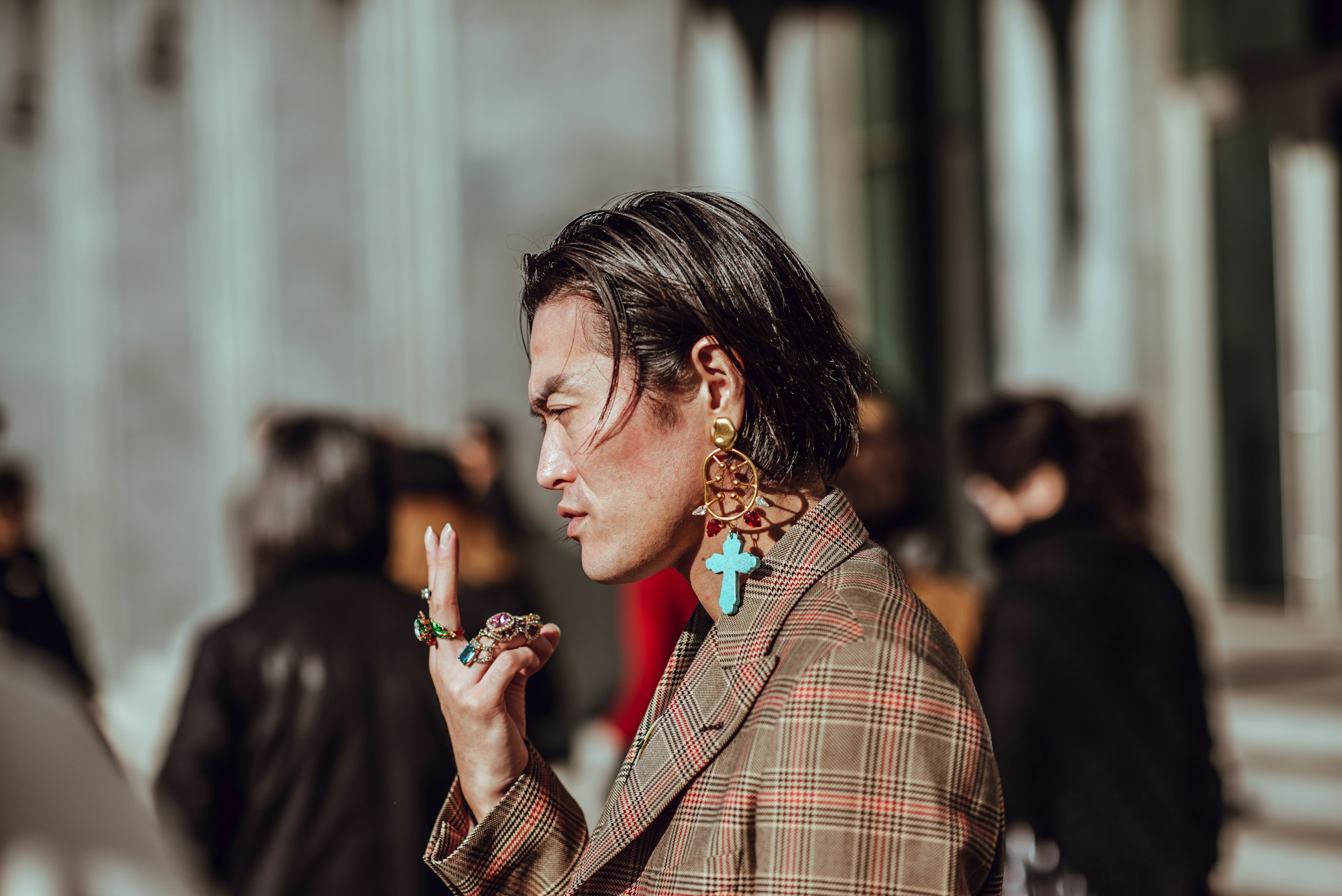
Gender-neutral fashion refers to clothing designed without strict adherence to traditional male or female styles. This approach emphasizes versatility, allowing garments to be worn according to personal preference rather than predefined gender expectations. The concept reflects a shift in how fashion is perceived, moving away from binary classifications toward more inclusive design principles. By emphasizing form, function, and comfort, gender neutral fashion creates a space where clothing serves as a medium of expression without being confined to conventional labels. This evolution forms the foundation for its growing presence in global markets.
Cultural Shifts Driving Inclusive Fashion Choices
Changes in cultural perspectives play a significant role in the rise of gender-neutral fashion. Societies increasingly recognize diverse identities and expressions, which influences how clothing is designed and marketed. These shifts encourage brands to adopt more inclusive approaches that reflect a broader range of experiences. In many regions, younger generations contribute to this change by embracing styles that challenge traditional norms. This cultural movement supports the development of fashion that prioritizes individuality over categorization, reinforcing the expansion of gender-neutral trends across different markets.
Design Elements That Define Gender Neutral Clothing
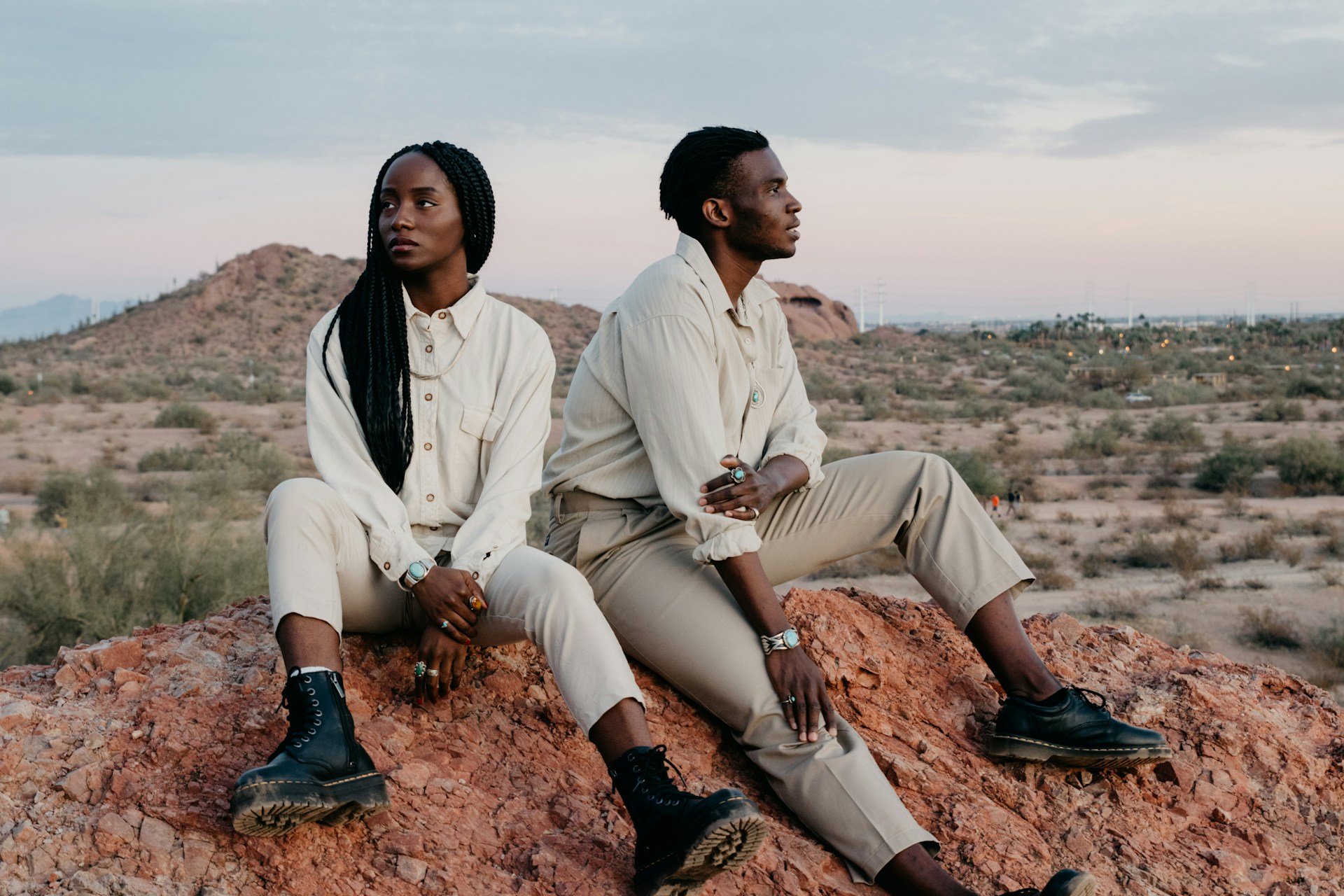
The design of gender-neutral clothing often focuses on neutral color palettes, adaptable silhouettes, and functional details. These elements create garments that are not tied to specific gendered aesthetics. Loose-fitting structures, balanced proportions, and minimal embellishments contribute to a universal appeal. Designers prioritize comfort and practicality, ensuring that clothing can accommodate a variety of body types and preferences. This design approach highlights how simplicity and adaptability become key characteristics of gender-neutral fashion.
Global Market Adoption and Industry Response
Fashion markets around the world respond to the growing demand for gender neutral clothing by expanding product offerings and adjusting branding strategies. Retailers introduce collections that emphasize inclusivity, while designers explore new ways to present clothing without traditional labels. This response reflects an awareness of changing consumer expectations and the need to remain relevant in a competitive industry. Different regions adopt these trends at varying rates, influenced by cultural and economic factors. The global spread of gender-neutral fashion demonstrates how market dynamics adapt to evolving social values.
The Role of Digital Platforms in Trend Expansion
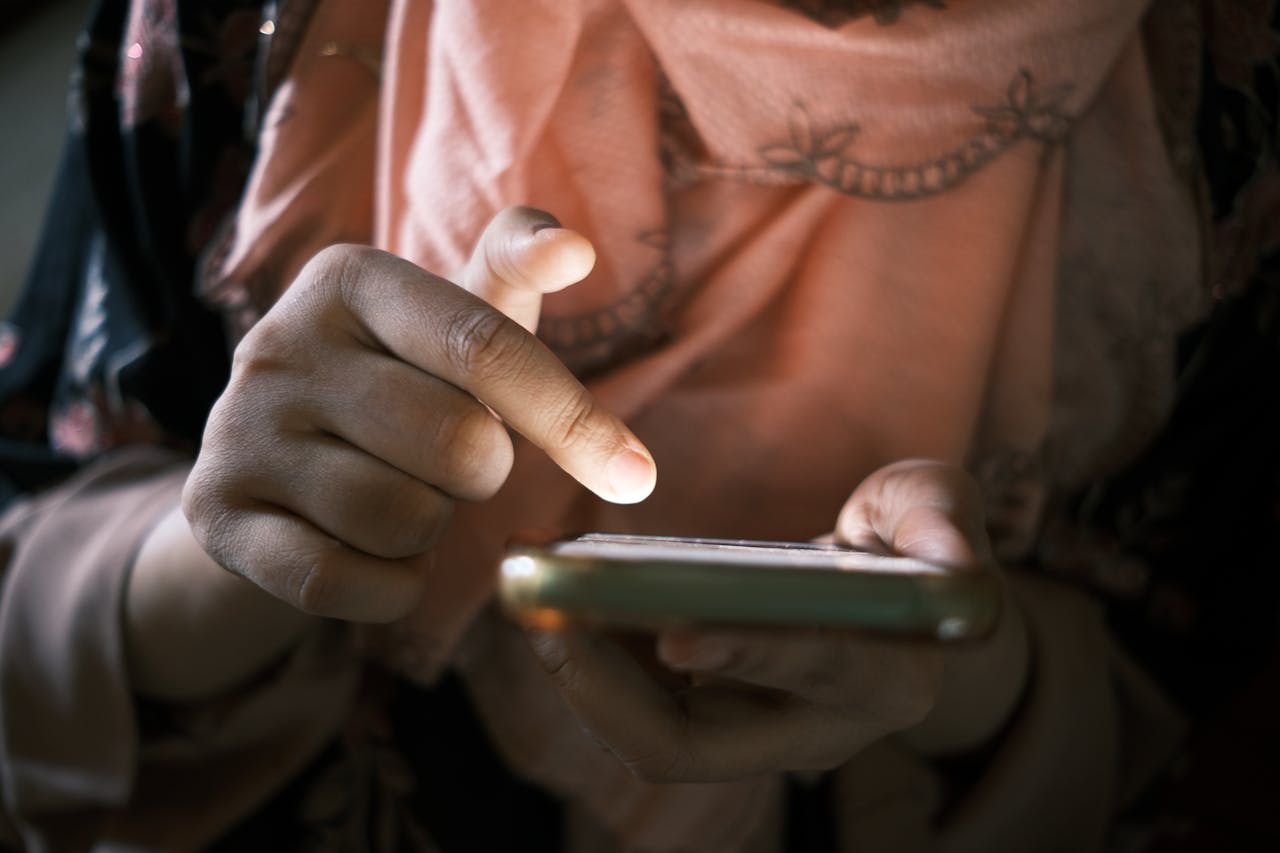
Digital platforms contribute significantly to the visibility and growth of gender-neutral fashion. Social media, online stores, and fashion communities provide spaces where diverse styles are shared and discussed. These platforms enable trends to spread quickly across geographic boundaries, shaping how individuals perceive and adopt new styles. The accessibility of digital content supports a more inclusive representation of fashion, highlighting diverse expressions. This global connectivity accelerates the acceptance and integration of gender-neutral trends within the fashion industry.
Gender neutral fashion trends continue to expand across global markets due to cultural shifts, inclusive design principles, and the influence of digital platforms. By moving beyond traditional classifications, this approach reshapes how clothing is designed and experienced. The combination of adaptability, simplicity, and cultural relevance supports its growing presence in the fashion landscape. Understanding these trends provides insight into how the industry evolves in response to changing perspectives on identity and expression.…